5 MINUTE VACATION!
THE ORIGINAL 5 MINUTE VACATION WEB SITE.
The country of Palau.
Imagine a place where hundreds of emerald-green islands rise from crystal-clear turquoise waters, where colorful coral reefs teem with life, and where nature
remains largely untouched by modern development. Welcome to Palau, one of the most beautiful and environmentally protected island nations in the Pacific Ocean.
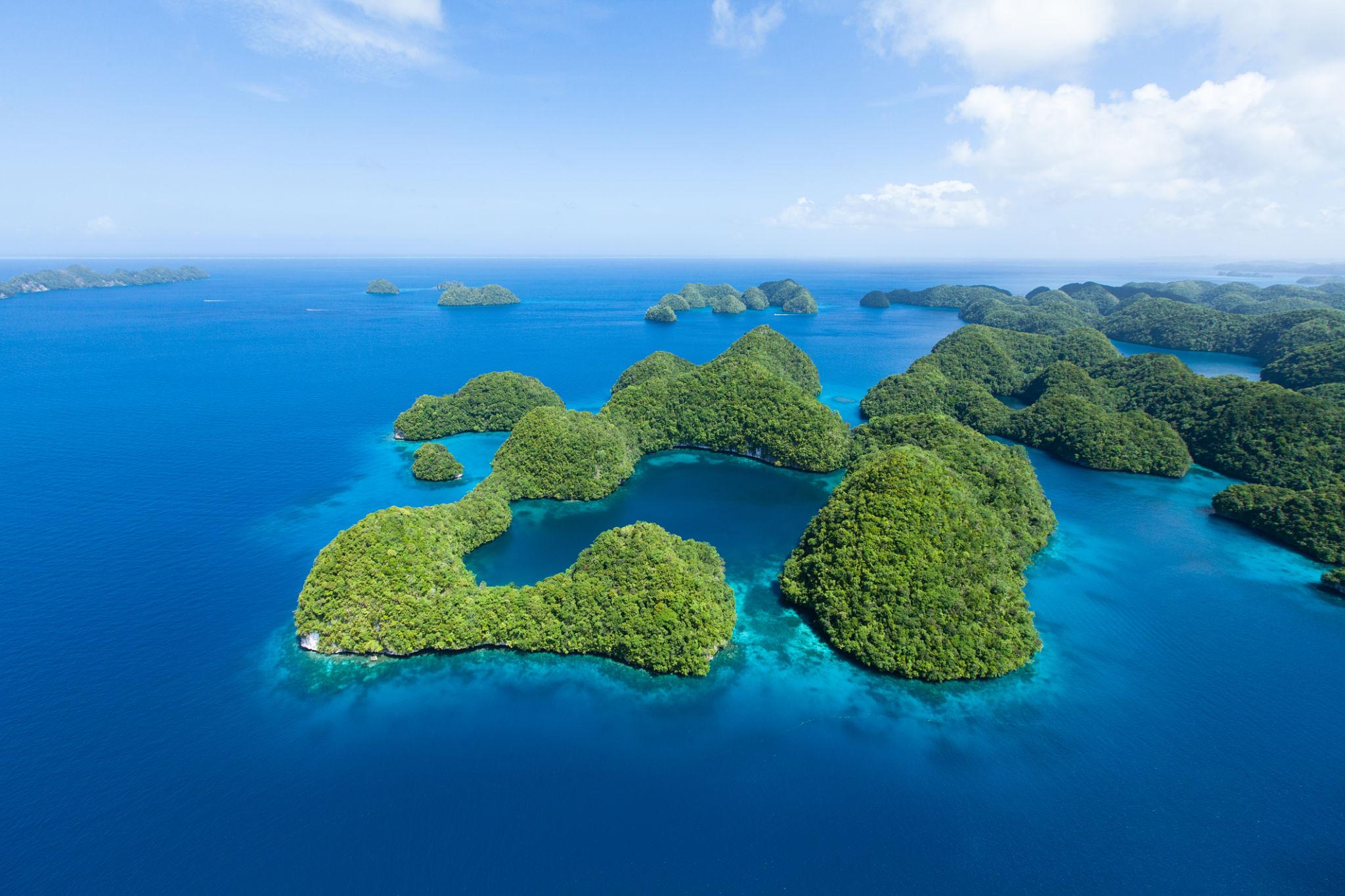
Located in the western Pacific between the Philippines and Guam, Palau consists of more than 300 islands spread across warm tropical seas. Although the country
is small in population, it is world-famous among divers, snorkelers, photographers, and travelers seeking natural beauty. The islands offer breathtaking scenery
above and below the water, creating a destination unlike almost anywhere else on Earth.
For the next few minutes, leave your worries behind and journey to this remarkable tropical paradise.
The Islands of Palau
Palau is part of the Micronesian region of the Pacific Ocean. While only a handful of its islands are heavily populated, the nation encompasses hundreds of islands,
reefs, and lagoons spread over a vast area of ocean. The largest island, Babeldaob, contains rolling hills, tropical forests, waterfalls, and many of the country's
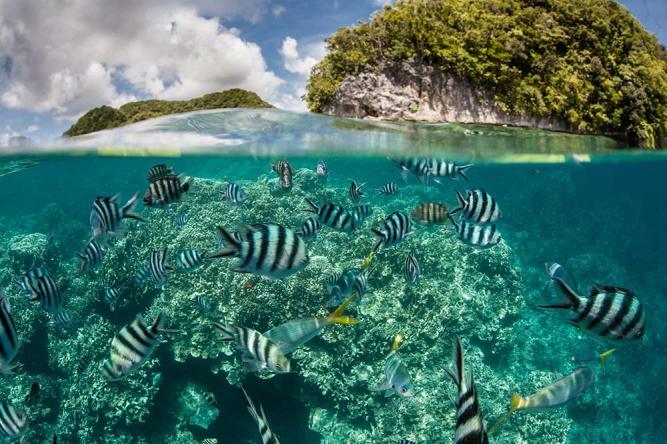
villages. Yet it is the smaller islands that often capture visitors' imaginations. Scattered across brilliant blue waters are limestone islands covered with dense
vegetation. These islands appear almost as if they were floating on the ocean.
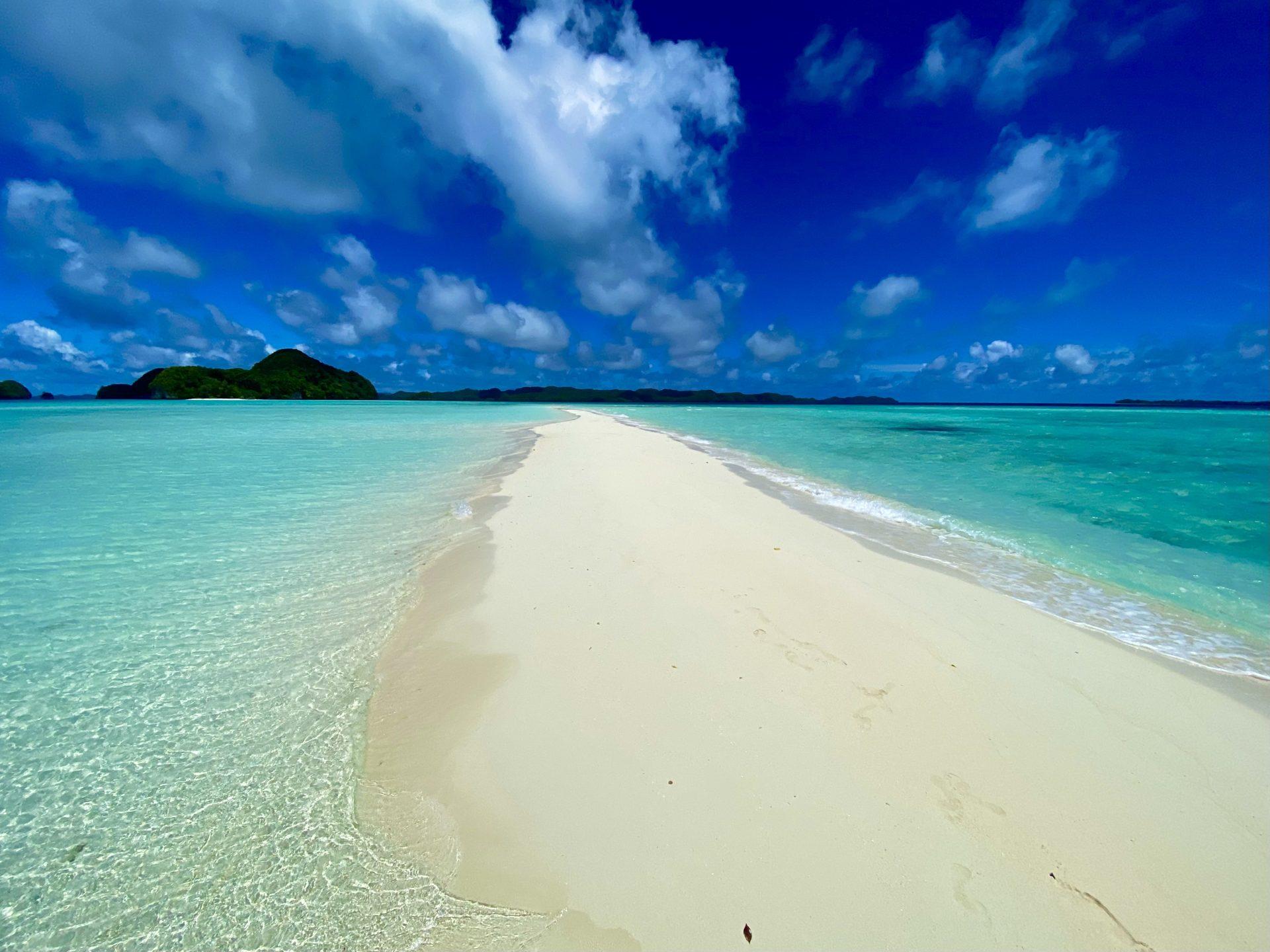
Many of the islands are uninhabited, allowing nature to flourish largely undisturbed. Travelers frequently describe Palau as one of the last places where they
can experience a tropical environment that feels truly wild and pristine.
The warm tropical climate means lush vegetation grows throughout the year. Coconut palms line beaches while tropical flowers add splashes of color to the
landscape. The combination of green islands, white sand, and clear water creates some of the most photographed scenery in the Pacific.
The Famous Rock Islands
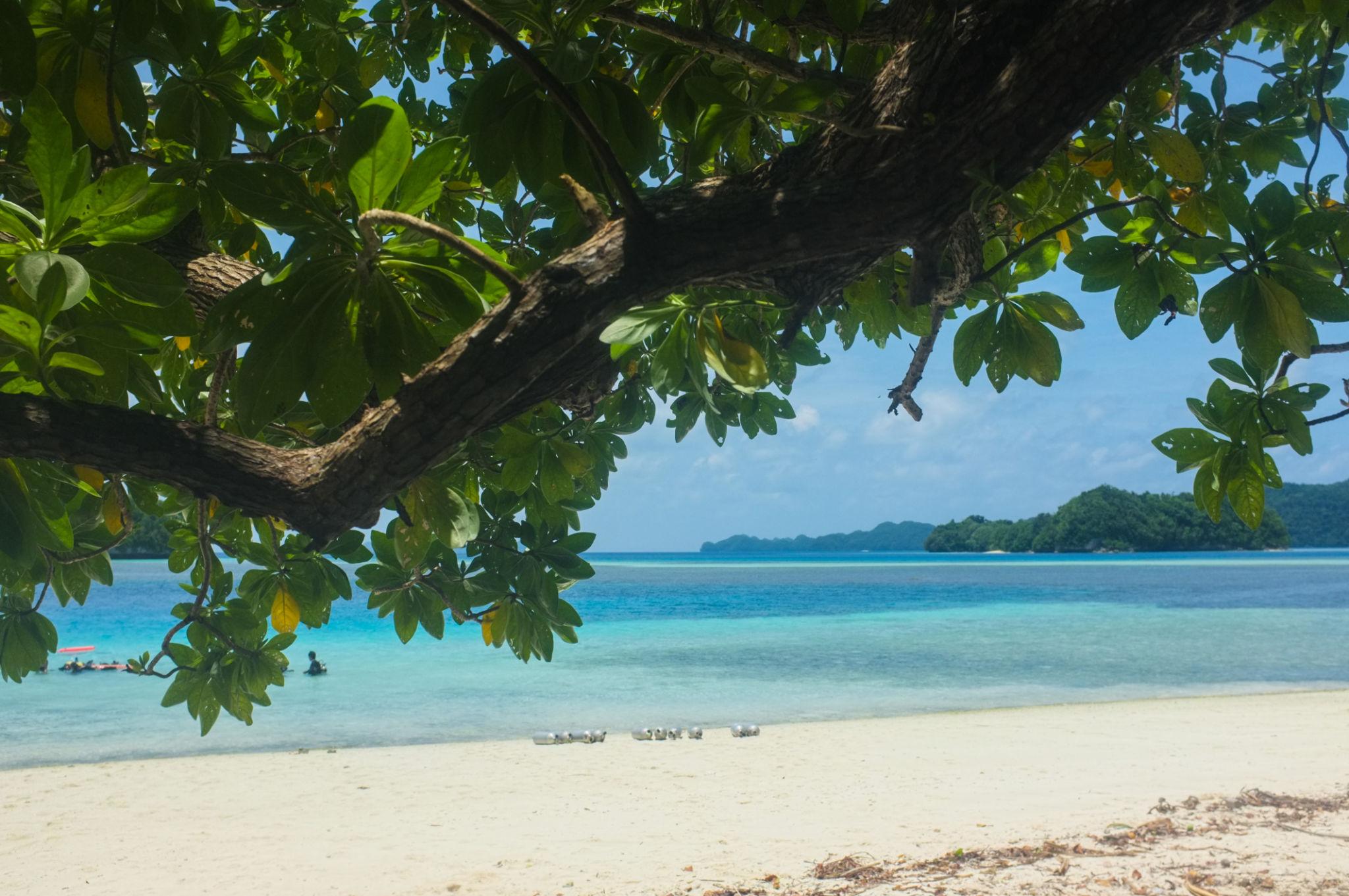
Among Palau's greatest treasures are the Rock Islands, a collection of hundreds of small limestone islands located between Koror and Peleliu.
The Rock Islands are so unique and beautiful that they have been designated a UNESCO World Heritage Site. Viewed from the air, the islands resemble giant green
mushrooms rising from brilliant blue lagoons. Their unusual shape results from thousands of years of erosion caused by waves and changing sea levels.
Boating through the Rock Islands feels like entering another world. Hidden beaches, secret coves, and quiet lagoons can be found around nearly every corner.
Some islands contain small caves and tunnels carved by nature over countless centuries.
The water surrounding the islands is often incredibly clear, allowing visitors to see coral formations and tropical fish beneath the surface. The contrast
between the emerald vegetation and turquoise water creates scenes that appear almost too beautiful to be real.
Many travelers consider the Rock Islands to be among the most spectacular island landscapes anywhere on Earth.
Jellyfish Lake
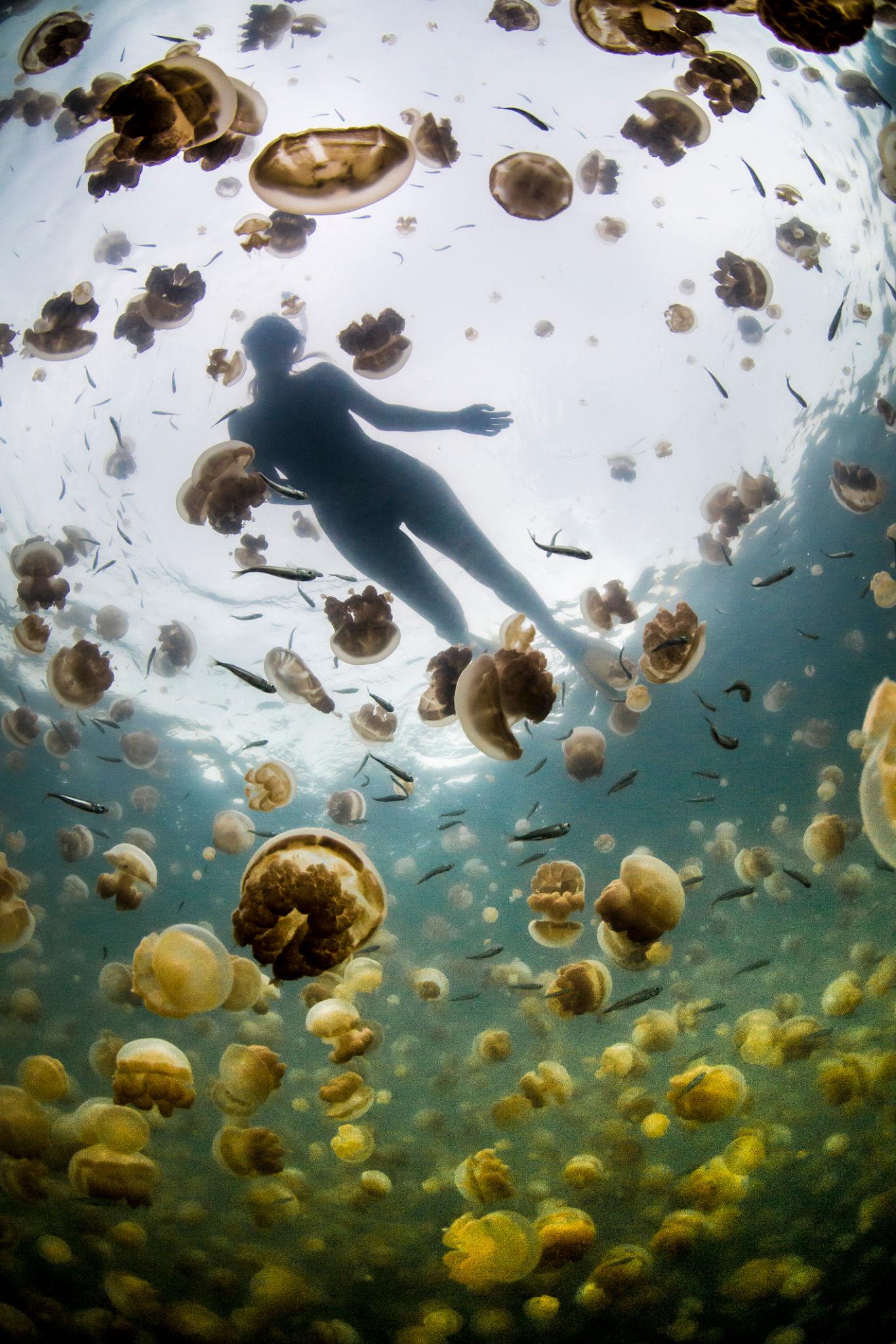
One of Palau's most unusual natural attractions is Jellyfish Lake.
Thousands of years ago, this marine lake became isolated from the surrounding ocean. Over time, a population of jellyfish evolved within the lake under unique
conditions. Because they faced few natural predators, they gradually lost much of their ability to sting.
For many years visitors could swim among millions of golden jellyfish drifting through the water. The experience was often described as magical and unlike
anything available elsewhere in the world.
Environmental changes have occasionally affected jellyfish populations, leading to temporary closures intended to protect the ecosystem. Conservation
efforts continue to help preserve this extraordinary natural wonder for future generations.
Even when access is restricted, Jellyfish Lake remains one of Palau's most fascinating ecological stories and demonstrates how isolated environments can produce
remarkable forms of life.

An Underwater Paradise
While Palau's islands are beautiful, many people believe the country's greatest treasures lie beneath the surface.
Palau is consistently ranked among the world's best diving destinations. Divers travel from every continent to explore its reefs, walls, caves, and underwater
ecosystems. The coral reefs surrounding the islands support an astonishing variety of marine life. Brightly colored fish dart among coral formations while sea
turtles glide gracefully through the water. Manta rays, reef sharks, and schools of barracuda are common sights in many locations. One of the most famous diving
sites is Blue Corner. Here, strong ocean currents bring nutrient-rich water that attracts large numbers of marine animals. Divers often watch sharks cruising
through the blue water while massive schools of fish move around them.
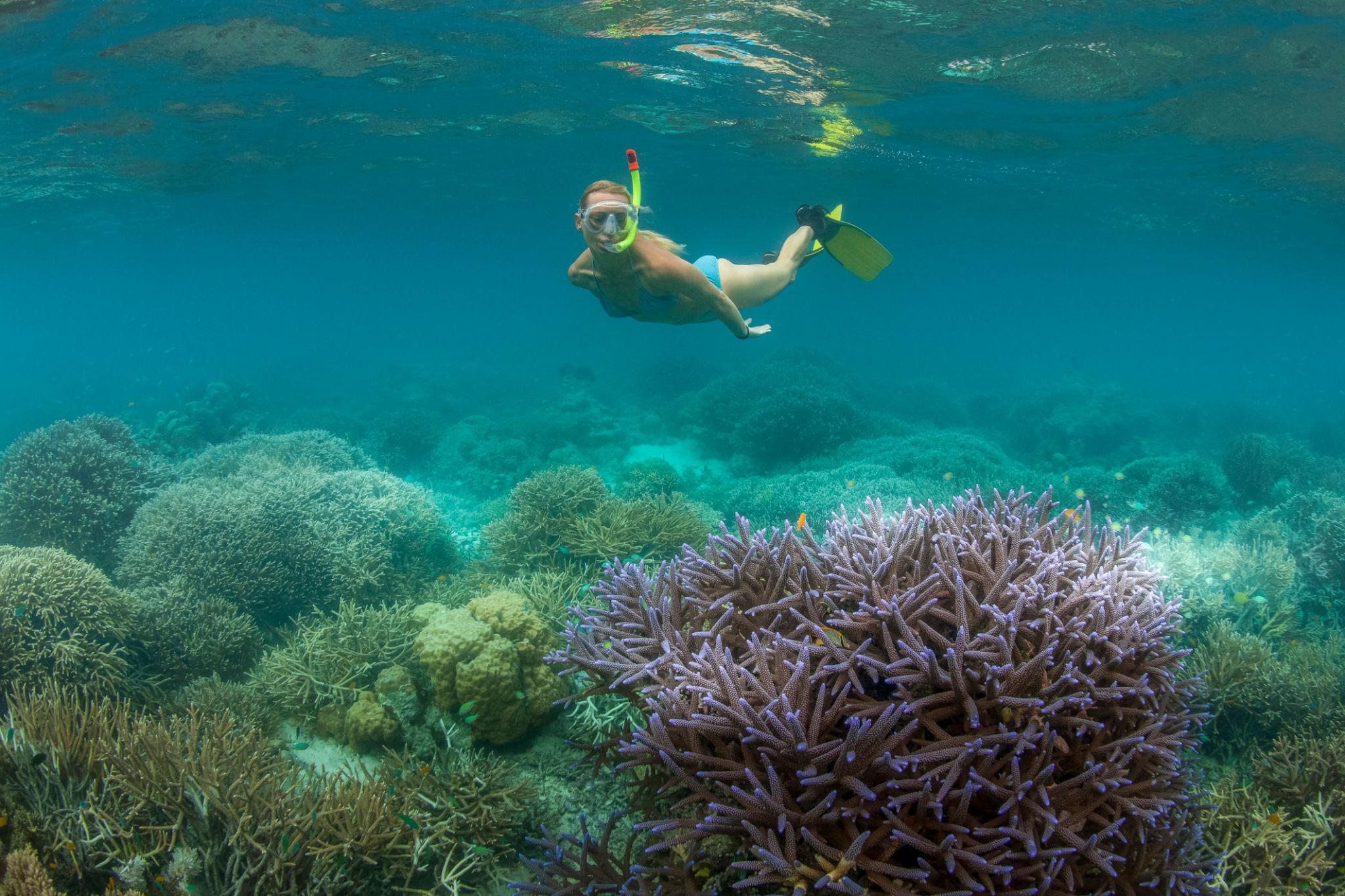
Even visitors who never scuba dive can enjoy the underwater world through snorkeling. In many locations, coral reefs begin only a short distance from shore. A simple mask and snorkel reveal a vibrant ecosystem that rivals many public aquariums.
The clarity of the water frequently exceeds one hundred feet, creating exceptional conditions for underwater photography.
Protecting Nature
Palau has become a global leader in environmental conservation.
Recognizing that its economy and culture depend heavily upon healthy oceans, the country has taken bold steps to protect marine ecosystems. Large areas of ocean have been designated as protected zones where fishing and other activities are restricted.
Palau was among the first nations to establish a large-scale marine sanctuary covering much of its territorial waters. These protections help preserve fish populations, coral reefs, and marine biodiversity.
Visitors entering the country are often asked to support environmental protection efforts. Many tourism activities emphasize responsible travel and encourage guests to leave natural areas exactly as they found them.
This commitment to conservation helps ensure that future generations will continue to experience the beauty that makes Palau so special.
Culture and Traditions
Palauan culture has deep roots extending back thousands of years.
Traditional customs continue to play an important role in community life. Respect for elders, family connections, and stewardship of natural resources remain important cultural values.
Storytelling has long served as a way to preserve history and pass knowledge from one generation to the next. Traditional dances and ceremonies celebrate important events and connect modern Palauans with their ancestors.
The country also reflects influences from various periods of history, including Spanish, German, Japanese, and American administration. These influences can be seen in architecture, language, education, and government institutions.
Despite modernization, many Palauans remain strongly connected to traditional ways of life and maintain a deep appreciation for the natural environment.
A Brief History
Human settlement in Palau dates back thousands of years. Archaeological evidence suggests people have lived on the islands for at least three millennia.
European explorers first encountered the islands during the sixteenth century. Over subsequent centuries Palau came under the control of several foreign powers.
Spain claimed the islands during the colonial era. Later, Germany purchased them in the late nineteenth century. Following World War I, Japan administered Palau
and developed infrastructure throughout the islands. During World War II, the islands became the site of significant military operations. The Battle of Peleliu
remains one of the most intense battles fought in the Pacific theater. After the war, Palau became part of a United Nations trust territory administered by the
United States. In 1994, Palau achieved full independence while maintaining a close relationship with the United States through a Compact of Free Association.
Today, Palau is a peaceful democratic nation known around the world for its environmental leadership.
The Best Time to Visit
Palau enjoys warm temperatures throughout the year. Daytime temperatures generally remain in the 80s Fahrenheit, making it a year-round destination.
Rainfall can occur during any season, but showers are often brief and followed by sunshine. The lush landscapes owe much of their beauty to the regular tropical
rains. Travelers interested in diving frequently visit throughout the year because marine life remains active in all seasons. Water
temperatures are comfortable for swimming, snorkeling, and diving almost every day of the year.
Your Five Minute Vacation
Close your eyes for a moment and imagine standing on a quiet beach in Palau.
The water before you is so clear that you can see the sandy bottom beneath gentle waves. In the distance, green islands rise from the ocean like ancient emerald
fortresses. A warm breeze rustles the leaves of nearby palm trees. The air carries the scent of salt water and tropical flowers. Tiny fish dart through shallow
water near the shoreline. Above, white clouds drift slowly across a brilliant blue sky. There are no traffic jams, deadlines, or ringing phones. Only the
rhythm of the ocean accompanies your thoughts.
For a few peaceful moments, allow yourself to enjoy this tropical escape.
Conclusion
Palau is one of the world's most extraordinary island destinations. From the breathtaking Rock Islands and famous Jellyfish Lake to its vibrant coral reefs and rich cultural traditions, the nation offers an experience unlike any other.
Whether you dream of diving among colorful reefs, exploring hidden lagoons, learning about Pacific island cultures, or simply relaxing beside crystal-clear water, Palau provides endless opportunities for discovery.
Until you can visit in person, let this Five Minute Vacation serve as a reminder that beautiful places still exist where nature reigns supreme, the ocean sparkles in every shade of blue, and peace can be found around every corner.